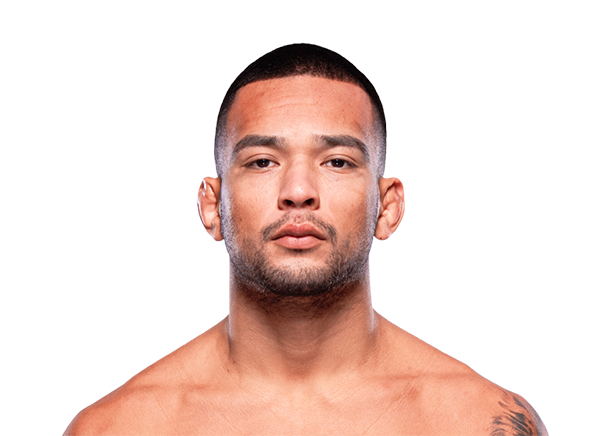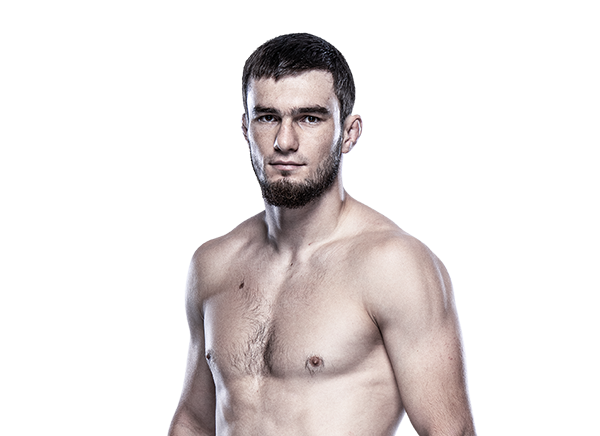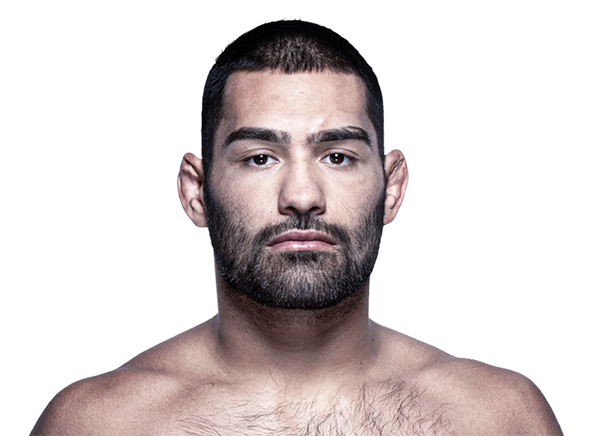


Stirling has stopped most takedowns on record; Stirling carries the higher measured striking pace.


Stirling has stopped most takedowns on record; Stirling carries the higher measured striking pace.
The evidence points to a finishing gap (100% vs 50% of archived wins); that is the read to test in the first five minutes.
Kape's output (4.7 per minute) against Horiguchi's more selective 3.8: pace versus precision.
Supporting evidenceDistance: 5-inch reach difference
| Attribute | Kape | Horiguchi |
|---|---|---|
| Age | 32 | 35 |
| Height | 5′5″ | 5′4″ |
| Reach | 68″ | 63″ |
| Stance | Southpaw | Orthodox |
| Rank | #2 Flyweight | #5 Flyweight |
Highlighted rows mark a meaningful factual difference, not an advantage. Unpublished values stay unpublished.
Kape holds a 5-inch reach edge (68" to 63"); Horiguchi has to cross distance to land, and opposite stances open the lead-side lane.
Favors KapeKape has 2 archived five-round fights to Horiguchi’s 0; championship rounds are familiar territory for one side.
Favors Kape4.7 and 3.8 significant strikes per minute: similar output, so accuracy (55% vs 47%) decides the exchanges.
Who sets the range in round one: Kape holds the longer reach, so early success for the shorter fighter usually requires feints and fast entries.
With the stored numbers close, the middle rounds come down to adjustments: who solves the opening read first, with strike defense at 57% and 63%.
Scheduled for five rounds: 25 minutes changes the pace math, and a fighter who banks two early rounds can afford to manage the fourth.
Amil carries the higher measured striking pace; Amil has been stopped before in the archive.
Baghdasaryan has stopped most takedowns on record in the available sample.
Fili holds the reach edge and the open-stance angles; Oliveira has stopped most takedowns on record.