- Home
- News
- Results
- Nurmagomedov vs. Song produced 10 finishes in 13 fights — what bettors should recalibrate
Nurmagomedov vs. Song produced 10 finishes in 13 fights — what bettors should recalibrate
Five first-round finishes and 10 stoppages across 13 bouts made Aug. 29 look like a finish bettor's dream. The useful lesson is not to blindly chase unders next time — it is to separate repeatable fighter traits from one violent card.


UFC Fight Night: Nurmagomedov vs. Song produced 10 finishes in 13 fights on Aug. 29. Eight came by KO/TKO, two by submission, and five fights ended in the first round.
That is a huge amount of finishing activity on one card. It is also exactly the kind of result set that can create overconfidence if bettors carry the event-level pattern forward as though it belongs to every fighter involved.
The bettor''s job after a card like this is to decide which finishes changed an individual fighter profile and which simply added one result to a small sample.
Song Yadong is the biggest profile change
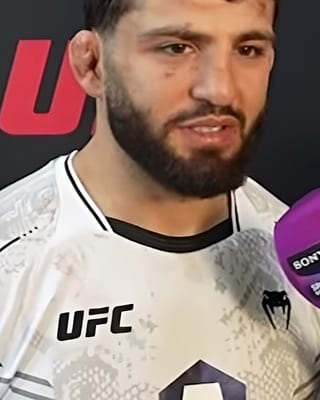
Song stopped Umar Nurmagomedov in Round 2 after Nurmagomedov had already logged 1:58 of control in Round 1. PropBetEdge''s round data shows why the result deserves a nuanced update: the wrestling phase existed, then Song''s damage ended the fight.
That makes Song''s next price sensitive to opponent style. A future wrestling matchup should not erase the Round 1 evidence. A future striking matchup should not erase the finishing threat. Our deeper Song-Nurmagomedov betting reset breaks down both phases.
Kai Asakura added another stoppage result
Kai Asakura stopped Aoriqileng in Round 2 at 0:34. That belongs in his finishing profile, but the next market still needs to account for opponent quality, durability and how the next matchup creates or denies the same openings.
For bettors, the natural follow-up markets are inside-the-distance and method of victory — not because a repeat finish is guaranteed, but because another stoppage changes the evidence those markets should price.
Denise Gomes created a late first-round finish
Gomes stopped Yan Xiaonan in Round 1 at 4:49. A finish that late in the round is different from a 30-second explosion because almost a full round of information exists before the ending.
If the next matchup is priced heavily around early finishing threat, bettors should remember that this result came after nearly five minutes of work. Round-betting and late-first-round markets can distinguish that profile better than a binary “first-round finish” label.
Rei Tsuruya showed a submission path
Tsuruya submitted Kevin Borjas in Round 1 at 4:14. On a card dominated by KO/TKO results, the submission matters because it points to a different kind of repeatable path.
The next time Tsuruya is priced, the relevant questions are the opponent''s takedown defense, submission defense and ability to survive extended grappling sequences. The event-wide 10-of-13 finish rate is much less useful than the method-specific evidence attached to Tsuruya.
Sean Woodson''s split decision is the useful counterexample
Sean Woodson beat Jack Jenkins by split decision. That result is valuable because it did not fit the card''s dominant pattern.
A bettor who concludes “this was a finish-heavy event, so the fighters were all in finishing spots” misses the point. Woodson-Jenkins reached the cards, and the split outcome adds a different kind of data: three rounds of competitive decision evidence rather than one decisive finishing sequence.
Event-level finish rates are not fighter-level priors
The card ended with 10 stoppages, three decisions and five first-round finishes. Those totals describe the event. They should not automatically become a prior for the next event, the next weight class or even the next fight involving one of these athletes.
A card can cluster finishes because of matchmaking, small samples, defensive mistakes, pace, officiating, or simple variance. The useful bettor habit is to decompose the card back into individual fighters and methods.
Bettor''s Edge
The Aug. 29 card should increase attention to inside-the-distance, method-of-victory and round markets for specific winners whose individual profiles now have another relevant result. It should not create a blanket “bet unders” rule.
The biggest profile update belongs to Song because the fight gave us both a control phase and a damage phase against a high-level opponent. The other stoppages matter too, but they need to be priced in the context of each fighter''s broader sample.
PropBetEdge does not have verified pre-fight odds stored for this event, so this is not a claim that the market missed the card. It is a recalibration for what the next market should have to price.
More from the desk
UFC 331 bettor's guide: five market questions before Van vs. Pantoja 2
Five rounds, finishing-rate collisions, takedown-defense tests and one 9-inch reach gap define the card before verified prices arrive. PropBetEdge maps the variables bettors should price rather than the picks they should force.


DWCS Week 3 had four finishes in five fights — how bettors should price the prospects next
Nick Galanti won in 35 seconds, Guilherme Uriel submitted his opponent in 50 seconds, and two more winners finished before the cards. Fast wins create attention quickly; the next betting line has to separate talent from sample size.