- Home
- News
- Around MMA
- Davey Grant Will Fight On, but His First Knockout Loss Changes the Betting Questions
Davey Grant Will Fight On, but His First Knockout Loss Changes the Betting Questions
Grant’s decision to continue preserves a high-output bantamweight profile, though a 60-second knockout at age 40 puts durability and early-round risk under fresh scrutiny.

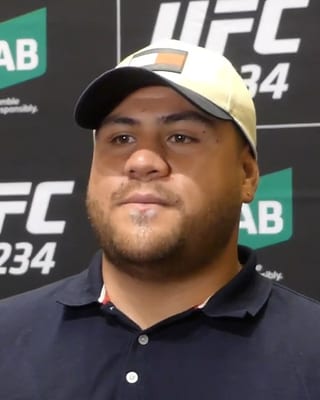
Davey Grant is not treating the first knockout loss of his career as a retirement signal. Bloody Elbow reported that the 40-year-old intends to return in 2027 after Elijah Smith stopped him with punches just 60 seconds into their UFC Vegas 124 bout.
That decision keeps an unusual betting profile in play. Grant has built his value around sustained striking output, broad target selection and the ability to win minutes over three rounds. The Smith loss did not last long enough to show whether any of those underlying tools have declined. It did, however, introduce a new durability question that cannot be answered by Grant’s previous record alone.
There is no next opponent or bout attached to Grant, so there is no responsible case for a wager yet. The immediate adjustment is narrower: bettors should no longer treat his historical resistance to knockout losses as settled evidence when evaluating distance, total-round and method-of-victory markets.
One minute changed the risk, not the whole profile
Grant’s archived UFC sample covers 17 bouts and 43 rounds. Before Smith, none of his recorded losses had come by knockout or TKO. That distinction mattered because Grant’s style creates exchanges: he lands 5.58 significant strikes per minute but absorbs 4.04, with 54 percent striking defense.
A fighter can sustain that kind of pace when his durability reliably absorbs the cost of trading. The Smith result weakens that assumption, but one knockout does not establish a new baseline by itself. Grant was stopped before the fight generated enough data to identify a broader change in pace, reactions, defense or recovery.
That makes the loss relevant to fight goes the distance, total rounds, method of victory and round betting, but not automatically decisive in any of them. A future opponent with fast starts, proven power or strong counter timing would make the new uncertainty more important. A lower-output opponent who allows Grant to establish range would test a different part of his game.
More from the desk

Josh Hokit’s rematch adjustments start with solving Ciryl Gane’s late-round economy
Greg Jackson’s read on Gane’s measured late surge reframes the potential rematch around pace, defensive exposure and whether Hokit can turn his wrestling into sustained control.
Dricus Du Plessis’ next fight won’t be Chimaev — and the opponent will determine the bet
Du Plessis has an agreement for an early-2027 return, but an unsigned booking against an unnamed opponent leaves bettors with a matchup framework rather than an actionable position.