- Home
- News
- Around MMA
- Ikram Aliskerov’s wrestling drives fourth straight win — and reshapes his betting profile
Ikram Aliskerov’s wrestling drives fourth straight win — and reshapes his betting profile
The middleweight’s three consecutive decisions now show a repeatable path built around takedowns and control, not merely the early finishing threat that defined his rise.
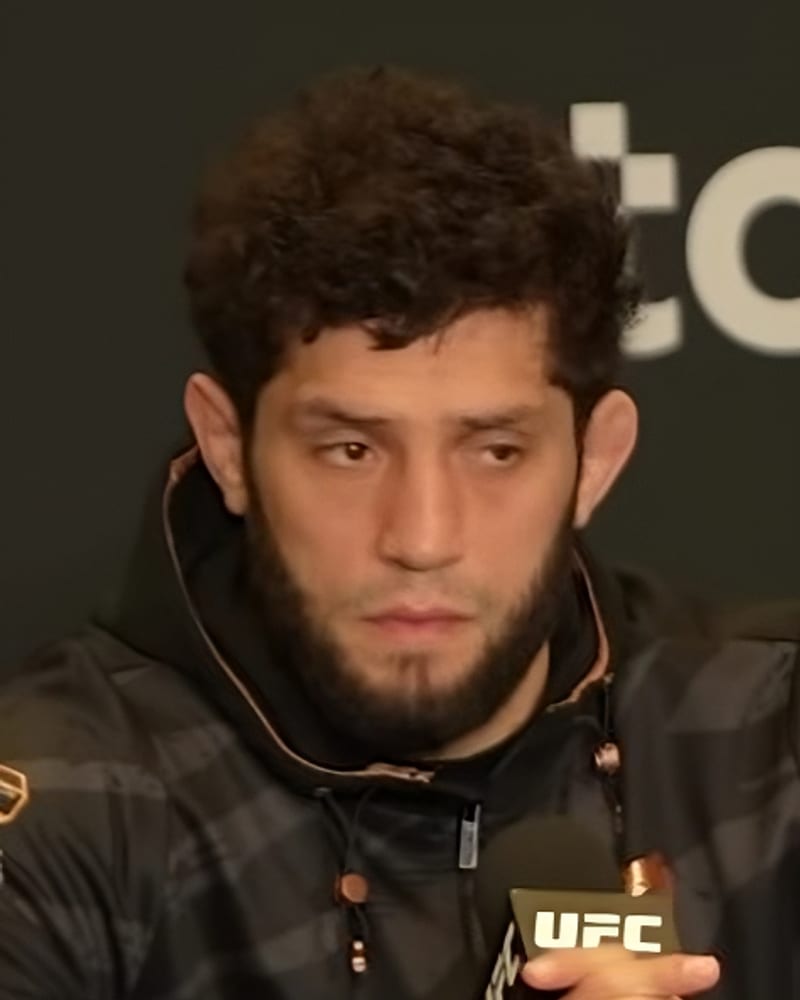
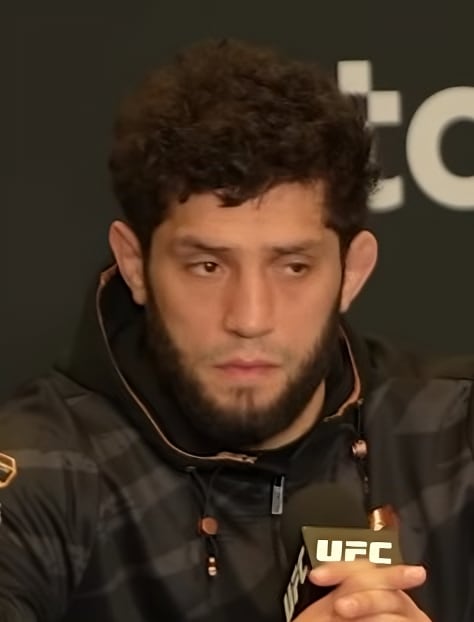
Ikram Aliskerov did not need another first-round finish to reinforce his place in the middleweight picture. He needed a process that could hold up for 15 minutes against Jared Cannonier.
He found it on the mat. MMA Fighting reported that Aliskerov repeatedly wrestled Cannonier down, threatened submissions and earned 30-27 scores from all three judges at UFC Qatar. The unanimous decision moved Aliskerov to 18-2 and extended his winning streak to four.
That result matters beyond the record. Aliskerov has now won three straight decisions after stopping Andre Muniz in the first round in April 2025. His recent form no longer rests on the premise that his power must end a fight early. The wrestling gives him another way to bank rounds, manage difficult striking exchanges and protect a lead.
Polymarket links are affiliate links: PropBetEdge may earn compensation from qualifying activity. It never changes the prices or comparisons shown.
The takedown threat is becoming the foundation
Aliskerov’s broader statistical profile already pointed toward an integrated striker-grappler. He averages 5.56 significant strikes landed per minute with 60% accuracy, but he also lands 3.82 takedowns per 15 minutes at 68% accuracy. Across the six bouts and 10 rounds in our database with complete round data, those figures rise to 10 takedowns at 77% accuracy, accompanied by 16 minutes of control.
The Cannonier win clarifies how those tools fit together. Aliskerov can use his southpaw striking and 76-inch reach to create reactions, then change the geography of the fight when extended exchanges become less desirable. Once the takedown lands, positional advancement and submission threats make the opponent work rather than simply wait for a stand-up.
More from the desk

Josh Hokit’s rematch adjustments start with solving Ciryl Gane’s late-round economy
Greg Jackson’s read on Gane’s measured late surge reframes the potential rematch around pace, defensive exposure and whether Hokit can turn his wrestling into sustained control.
Dricus Du Plessis’ next fight won’t be Chimaev — and the opponent will determine the bet
Du Plessis has an agreement for an early-2027 return, but an unsigned booking against an unnamed opponent leaves bettors with a matchup framework rather than an actionable position.