- Home
- News
- Around MMA
- Josh Hokit’s Blurry-Vision Claim Adds Risk After Five-Round Loss to Ciryl Gane
Josh Hokit’s Blurry-Vision Claim Adds Risk After Five-Round Loss to Ciryl Gane
Hokit’s post-fight eye complaint matters to future strike-volume and durability markets, but without a diagnosis or another booking, it is not yet a bettable edge.
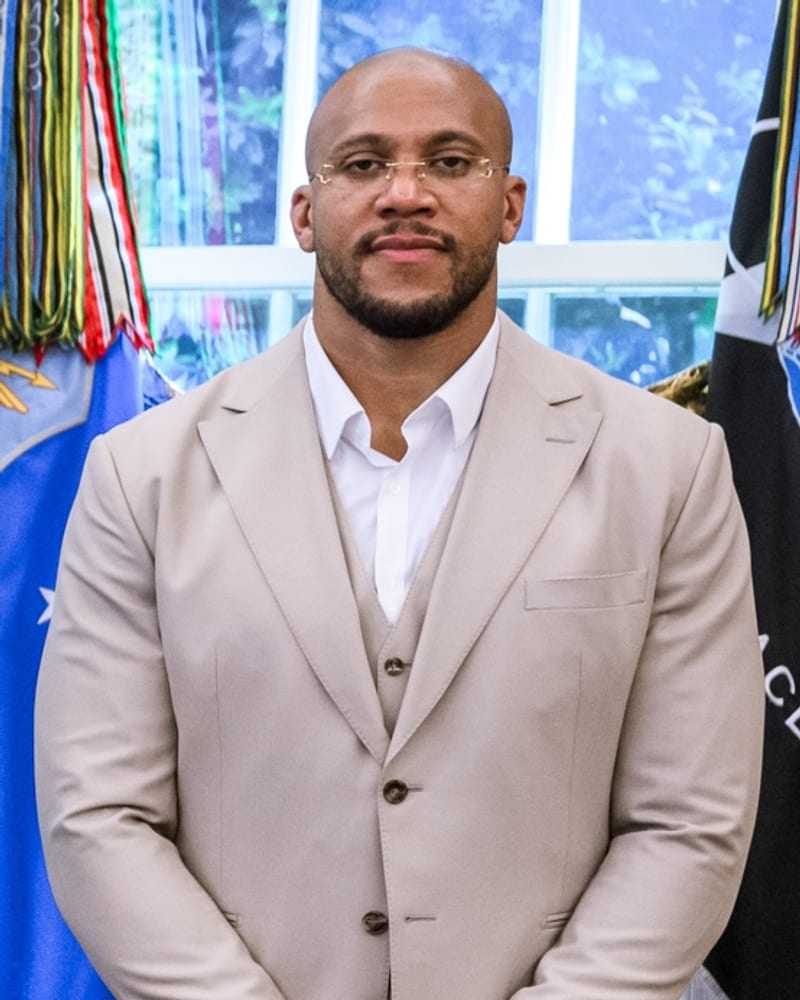
Josh Hokit left UFC 334 with his first professional loss and a more consequential issue than the unanimous decision on his record.
MMA Fighting reported that Hokit still had blurry vision after an eye poke by Ciryl Gane less than a minute into their Nov. 14 fight. Hokit also used inflammatory language about retaliating against future fouls and pushed for another meeting, though no rematch has been announced.
For bettors, the threat of retaliation is noise. The unresolved vision complaint is the signal. Hokit is only nine days removed from a five-round defeat, and the available information does not establish a diagnosis, recovery timetable or medical clearance. That creates a health variable worth tracking, not an immediate reason to downgrade him in a fight that does not exist.
Polymarket links are affiliate links: PropBetEdge may earn compensation from qualifying activity. It never changes the prices or comparisons shown.
Hokit’s style makes visual disruption especially relevant
Hokit operates through pace and repeated engagement. His career UFC numbers show 9.29 significant strikes landed per minute at 64% accuracy, alongside 3.73 takedowns per 15 minutes. That is an unusually busy combination of striking and wrestling for a 231-pound heavyweight.
The tradeoff is exposure. He absorbs 5.28 significant strikes per minute and owns a 48% striking-defense rate. Those figures do not prove that the eye poke determined the Gane result, but they explain why any continuing visual impairment would matter mechanically. A fighter who works at high volume must repeatedly judge distance, recognize counters and reset after exchanges. Compromised vision could affect all three processes, particularly against an opponent able to punish entries.

More from the desk
Josh Hokit’s rematch adjustments start with solving Ciryl Gane’s late-round economy
Greg Jackson’s read on Gane’s measured late surge reframes the potential rematch around pace, defensive exposure and whether Hokit can turn his wrestling into sustained control.
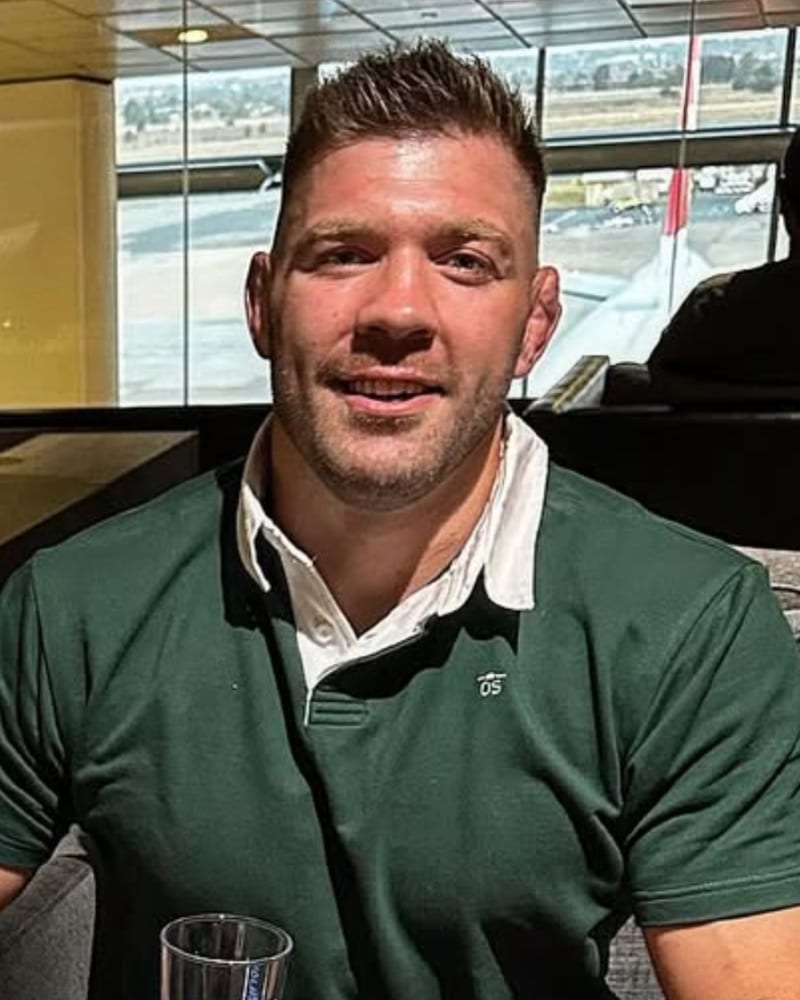
Dricus Du Plessis’ next fight won’t be Chimaev — and the opponent will determine the bet
Du Plessis has an agreement for an early-2027 return, but an unsigned booking against an unnamed opponent leaves bettors with a matchup framework rather than an actionable position.