
- Home
- News
- Fight preview
- UFC 335 bettor’s guide: Five matchups that define the market watch
UFC 335 bettor’s guide: Five matchups that define the market watch
Charles Oliveira and Diego Lopes lead a card rich in finishing history, but reach, pace and takedown data create the sharper questions before verified prices arrive.
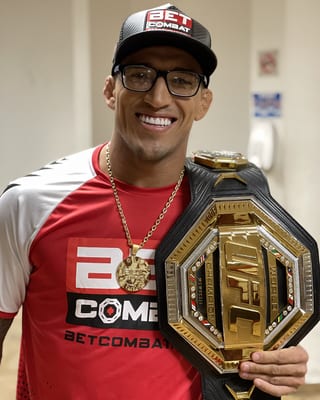
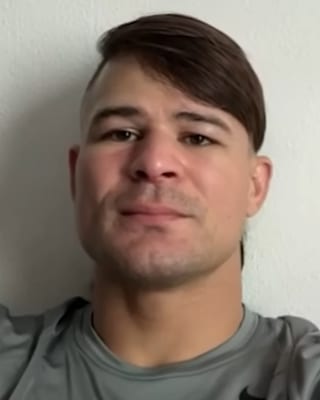
Charles Oliveira and Diego Lopes bring the clearest tension on UFC 335: both own strong finishing records, yet their supporting numbers point to different ways of controlling where the main event unfolds. Oliveira has finished 21 of 25 archived UFC wins; Lopes has finished five of seven. With five scheduled rounds, that history puts fight-goes-distance, total-rounds, method-of-victory and round markets at the center of the early betting conversation.
It does not create a bet by itself.
No verified odds snapshot or model price exists for any of the matchups highlighted here. This guide identifies the card’s strongest measurable variables and the assumptions behind them. Price will eventually determine whether any stylistic or statistical advantage is actionable—or already overvalued.
Polymarket links are affiliate links: PropBetEdge may earn compensation from qualifying activity. It never changes the prices or comparisons shown.
Oliveira-Lopes starts with finishing pressure
The main event can run 25 minutes rather than 15, giving both fighters more time to extend their established finishing profiles. Oliveira’s 21 finishes in 25 archived UFC wins represent an 84% rate; Lopes’ five in seven represent 71%. The archive therefore points toward a fight less likely to hear the final bell than the typical lightweight bout, making duration the first market question to investigate.
The rest of the data complicates a simple finish-rate reading. Oliveira absorbs 3.05 significant strikes per minute compared with Lopes’ 4.65, a difference of 1.6. He also averages 2.29 takedowns per 15 minutes against Lopes’ 0.82. Lopes, however, defends takedowns at 68%, compared with 54% for Oliveira, and is six years younger at 31 to 37.
For bettors, that means the finishing history should not be isolated from the routes available to each fighter. Oliveira’s higher takedown activity and lower absorbed-strike rate matter to the method and round discussion, while Lopes’ takedown defence is an important counterweight to any assumption that Oliveira can dictate the grappling exchanges at will.
The read remains conditional. Confirm that the bout stays scheduled for five rounds; a move to three would compress the total-rounds market. A missed weight or catchweight rebooking would also change the physical context. Once prices exist, a fight-goes-distance line moving against the finish-rate evidence would be a reason to re-examine the original thesis rather than follow it automatically.
The complete matchup case is available in Charles Oliveira vs. Diego Lopes: two finishers and a fight-goes-distance question.
More from the desk

Cody Garbrandt’s planned Cleveland farewell puts volatility back in focus
Garbrandt intends to end his career in February, but an opponent is needed before his knockout history and defensive risks become a bettable matchup.

Josh Hokit’s rematch adjustments start with solving Ciryl Gane’s late-round economy
Greg Jackson’s read on Gane’s measured late surge reframes the potential rematch around pace, defensive exposure and whether Hokit can turn his wrestling into sustained control.
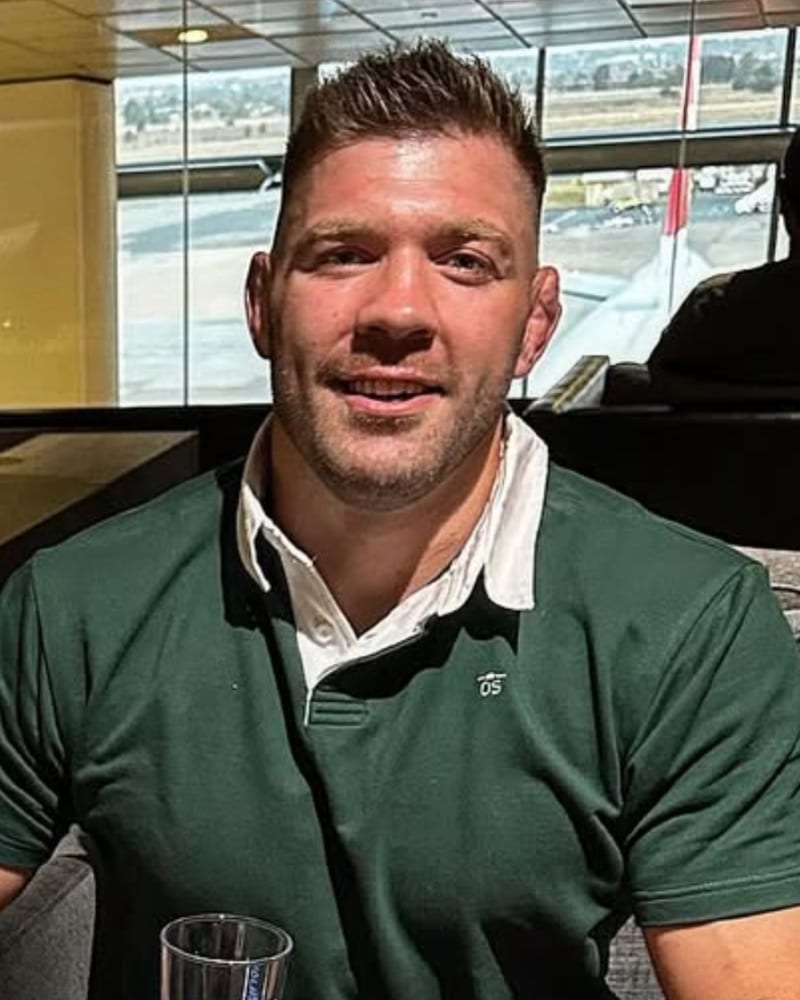
Dricus Du Plessis’ next fight won’t be Chimaev — and the opponent will determine the bet
Du Plessis has an agreement for an early-2027 return, but an unsigned booking against an unnamed opponent leaves bettors with a matchup framework rather than an actionable position.