- Home
- News
- Around MMA
- Virna Jandiroba’s +180 Price Defines the Betting Decision Against Tatiana Suarez
Virna Jandiroba’s +180 Price Defines the Betting Decision Against Tatiana Suarez
Jandiroba’s control-heavy record and durability support a competitive underdog case, but the packet lacks the opponent data and prop prices needed to call it a clear edge.

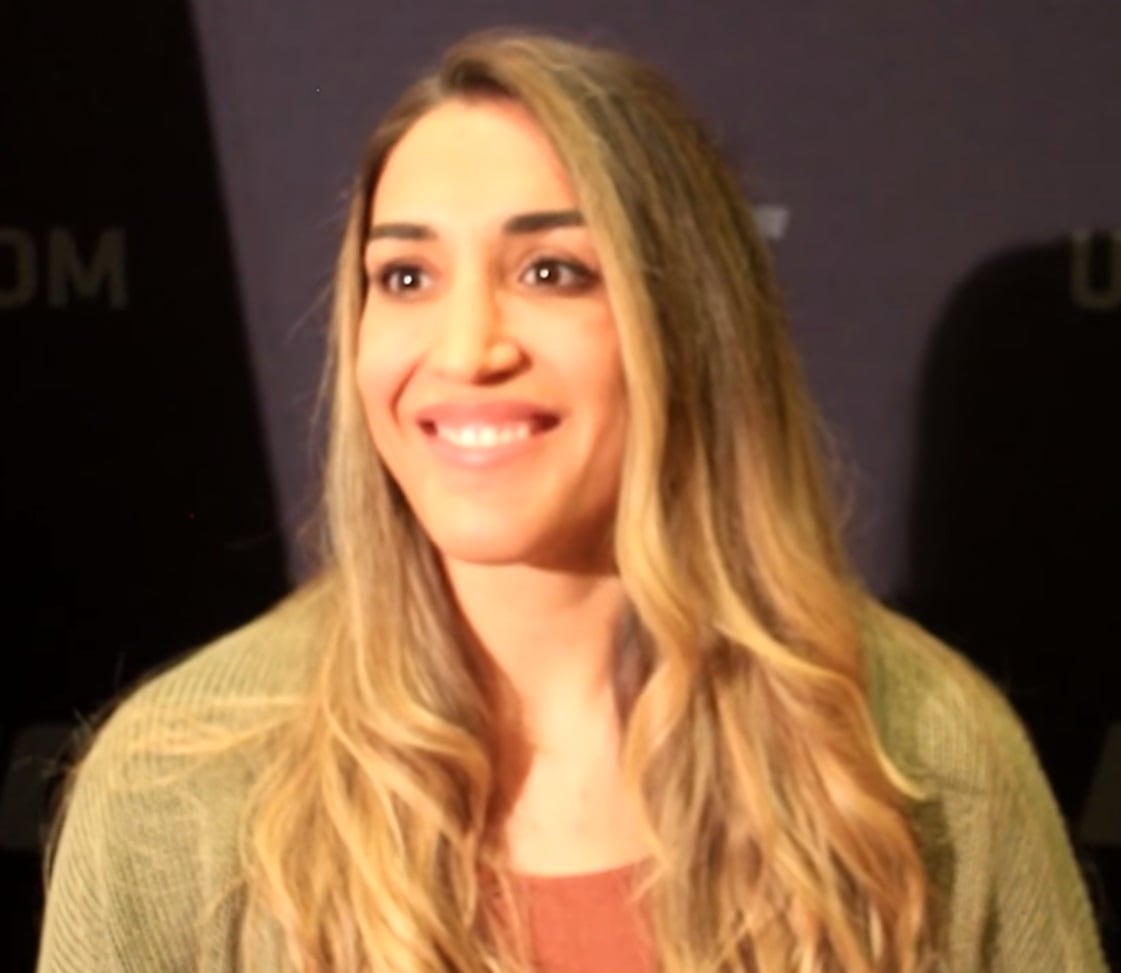
MMA Fighting opened its live coverage with Tatiana Suarez and Virna Jandiroba set for the UFC Vegas 124 co-main event, framing the bout as a meeting of strawweights trying to return to the title picture after prior championship losses.
The available market made Suarez the clear favorite before the fight. Prices captured Nov. 7 ranged from -192 at DraftKings to -220 at Caesars. Jandiroba was available from +160 to +180, with Caesars posting the best documented number.
That 20-cent spread is not cosmetic. A bettor taking +180 needs Jandiroba to win often enough to clear the price’s break-even threshold before considering any other costs. At +160, that threshold is higher. The question is not simply whether Jandiroba can win. It is whether her grappling, control and durability create enough paths to justify the best available price—and whether those paths remain intact against Suarez.
Polymarket links are affiliate links: PropBetEdge may earn compensation from qualifying activity. It never changes the prices or comparisons shown.
Jandiroba’s case begins with sustained control
Jandiroba does not build her game around winning a high-output kickboxing match. Across 13 archived UFC bouts and 36 rounds, she has landed 393 significant strikes, averaging 2.27 per minute while absorbing 2.86. That negative striking differential makes it difficult to support an underdog position on stand-up volume alone.
Her underlying grappling production is more relevant. Jandiroba averages 3.13 takedowns and 1.4 submission attempts per 15 minutes. She has completed 36 takedowns at 39% accuracy and accumulated 75 minutes of control across the archived sample. That works out to slightly more than two minutes of control per round.
More from the desk

Josh Hokit’s rematch adjustments start with solving Ciryl Gane’s late-round economy
Greg Jackson’s read on Gane’s measured late surge reframes the potential rematch around pace, defensive exposure and whether Hokit can turn his wrestling into sustained control.
Dricus Du Plessis’ next fight won’t be Chimaev — and the opponent will determine the bet
Du Plessis has an agreement for an early-2027 return, but an unsigned booking against an unnamed opponent leaves bettors with a matchup framework rather than an actionable position.