
- Home
- News
- Around MMA
- Virna Jandiroba’s UFC Exit Removes a Ranked Grappling Test From Strawweight
Virna Jandiroba’s UFC Exit Removes a Ranked Grappling Test From Strawweight
Jandiroba leaves 11 days after facing Tatiana Suarez, with a 9-5 UFC record and a style built on takedowns, control and submission pressure.
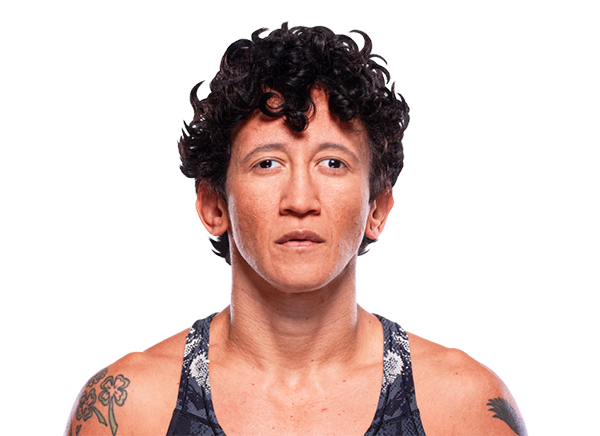
MMA Fighting reported Wednesday that the UFC released Virna Jandiroba following her decision loss to Tatiana Suarez on Nov. 7. The move came only 11 days after the bout and while Jandiroba remained No. 3 at strawweight and No. 12 in the pound-for-pound rankings as of Nov. 17.
That combination makes the timing more consequential than a routine roster transaction. Jandiroba, 38, exits with a 23-5 professional record and a 9-5 UFC mark. She also leaves without having been finished in 14 UFC appearances.
There is no immediate betting opportunity attached to the release because Jandiroba has no booked opponent. The relevant change is to the UFC strawweight matchup pool: one of the division’s most persistent takedown and control operators is no longer available to test contenders. If and when she signs elsewhere, bettors will need to evaluate whether her established UFC process transfers before leaning on the familiar name or the rankings she carried out of the promotion.
Jandiroba’s value came from repeatable grappling work
Jandiroba’s UFC profile was not built around high-volume striking or one-shot power. She landed 2.27 significant strikes per minute while absorbing 2.86, with 41% accuracy and 55% striking defense. Across 39 tracked rounds, she produced one knockdown.
The more important numbers sit on the mat. Jandiroba averaged 3.13 takedowns and 1.4 submission attempts per 15 minutes. Her 14 UFC fights yielded 37 completed takedowns, 75 minutes of control and 17 submission attempts. She also defended takedowns at 72%, giving her a way to preserve preferred positions rather than merely initiate them.
That mechanism matters because it explains how she could win without owning the striking-volume battle. Repeated entries created control time, control opened submission transitions, and those sequences reduced the amount of open-space striking she needed to win. Her offense was not dependent on landing a knockout; it was built to accumulate positional advantages.
More from the desk

Josh Hokit’s rematch adjustments start with solving Ciryl Gane’s late-round economy
Greg Jackson’s read on Gane’s measured late surge reframes the potential rematch around pace, defensive exposure and whether Hokit can turn his wrestling into sustained control.

Dricus Du Plessis’ next fight won’t be Chimaev — and the opponent will determine the bet
Du Plessis has an agreement for an early-2027 return, but an unsigned booking against an unnamed opponent leaves bettors with a matchup framework rather than an actionable position.