
- Home
- News
- Around MMA
- Rinya Nakamura’s ‘Deep Waters’ Test Against Brady Hiestand Starts at the Wrestling Exchanges
Rinya Nakamura’s ‘Deep Waters’ Test Against Brady Hiestand Starts at the Wrestling Exchanges
Nakamura says he is healthy after shoulder and knee injuries, but Hiestand’s pace, vulnerable takedown defence and 831-day absence make the three-round shape more important than the comeback narrative.


Rinya Nakamura returns from a 418-day absence Saturday at UFC Fight Night: Rosas Jr. vs. Barcelos, carrying both a clean bill of health and a difficult stylistic assignment into his bantamweight bout with Brady Hiestand.
Cageside Press reported that Nakamura tore a shoulder tendon and injured his MCL during the layoff. He now describes his condition as his best yet and expects Hiestand to pull him into “deep waters.” The health claim matters, but it does not settle the betting question. A fighter can feel excellent in camp without having demonstrated post-injury durability, sustained output or defensive reactions under live pressure.
Hiestand brings his own inactivity problem. He has not fought in 831 days, nearly twice Nakamura’s absence. That leaves bettors assessing two fighters returning from long layoffs, not one active opponent testing a compromised comeback. The more useful starting point is how their grappling systems collide—and whether that collision creates an early Nakamura finish or the extended fight Hiestand generally produces.
The wrestling matchup favors efficiency over raw activity
Hiestand’s 4.8 takedowns per 15 minutes immediately signals his preferred workload. Across four bouts and 12 tracked rounds, he landed 18 takedowns and accumulated 27 minutes of control. He does not need a clean kickboxing match to bank minutes; repeated entries, mat returns and positional pressure can do the scoring work.
- Date
- Sat, Sep 26, 2026
- Where
- Meta APEX · Las Vegas, USA
- Weight class
- Bantamweight
- Position
- Main · 3 rounds
- Status
- Announced
The problem is that Nakamura’s defensive profile directly attacks that mechanism. Nakamura owns 100% career takedown defence, while Hiestand has completed only 46% of his attempts. If Nakamura can deny the first entry and force resets, Hiestand must spend energy without receiving the control time that normally justifies the effort.
Nakamura is also the more efficient takedown finisher. His career accuracy stands at 81%, and he landed seven takedowns at 88% accuracy across five bouts with round-level data. Those 11 tracked rounds produced 24 minutes of control and four submission attempts. Hiestand, meanwhile, has stopped only 42% of takedowns faced.
More from the desk
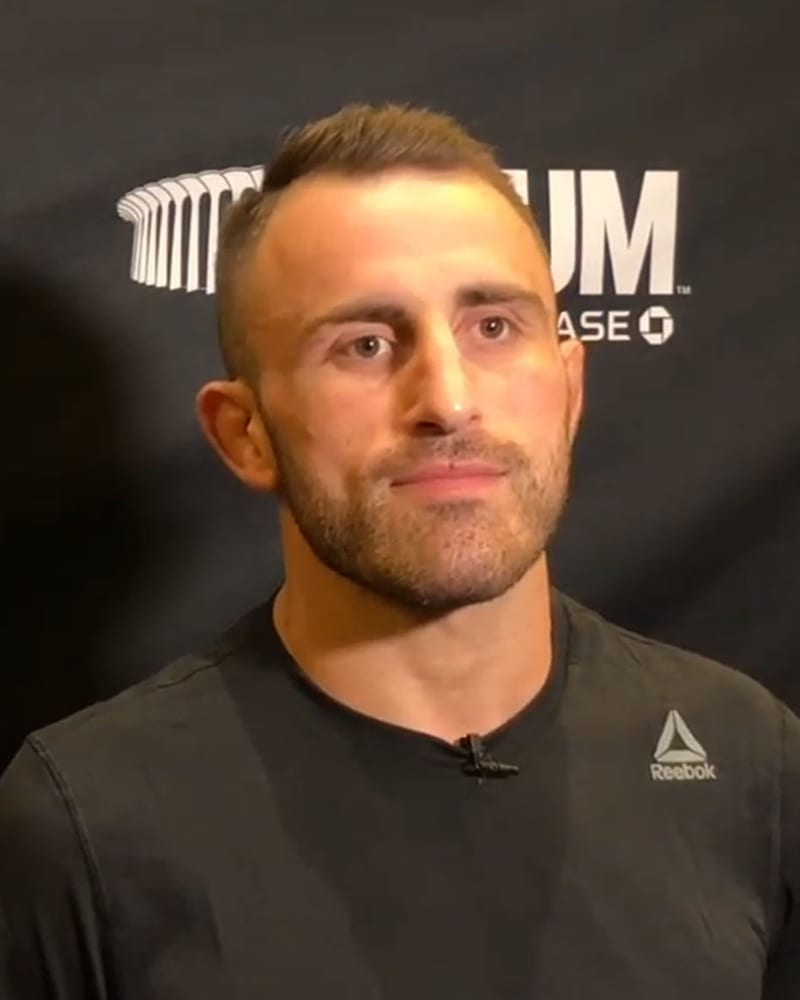
Movsar Evloev’s Activity, Not Control, Defines the Volkanovski Matchup
Evloev’s grappling produces strikes, takedowns and uninterrupted scoring, making Alexander Volkanovski’s ability to win the transitions central to the UFC 333 betting read.
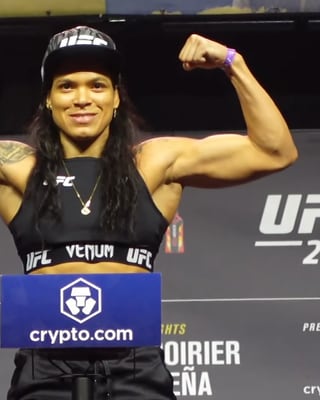
Amanda Nunes’ scouting claim adds intrigue, not proof, against Kayla Harrison
Nunes says old sparring sessions exposed persistent flaws, but the UFC 334 matchup will turn on whether her proven takedown defence survives a 1,229-day layoff.
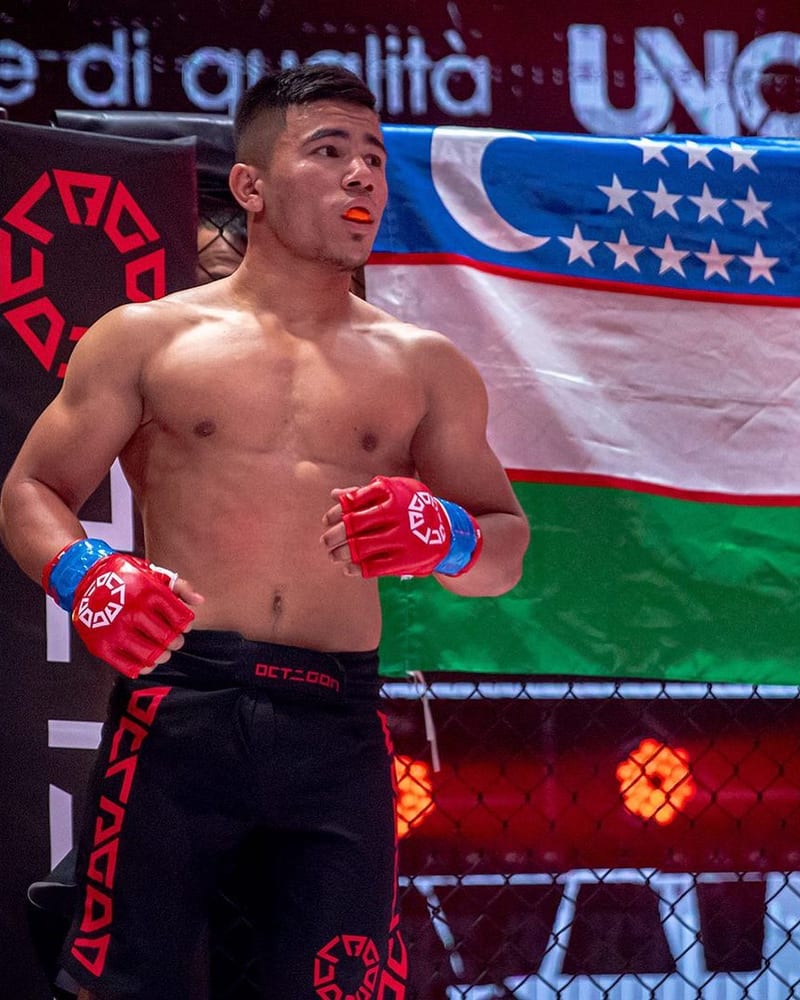
Lone’er Kavanagh’s variety meets Ramazan Temirov’s concentrated power at UFC 333
Temirov’s five knockdowns create the obvious danger, but Kavanagh’s reach, target diversity and deeper grappling record complicate every finish-based betting angle.