
Distance: 6-inch reach difference
Read matchup Real analysis. Smarter reads. A deeper understanding of the card.
The stored numbers are close enough that this is a fight about execution and adjustments rather than one obvious mismatch.
Opposite stances create an open-side geometry from the first exchange — lead-foot position and the rear-hand lane matter more than usual.
Supporting evidenceExperience: 6 vs 2 five-round fights
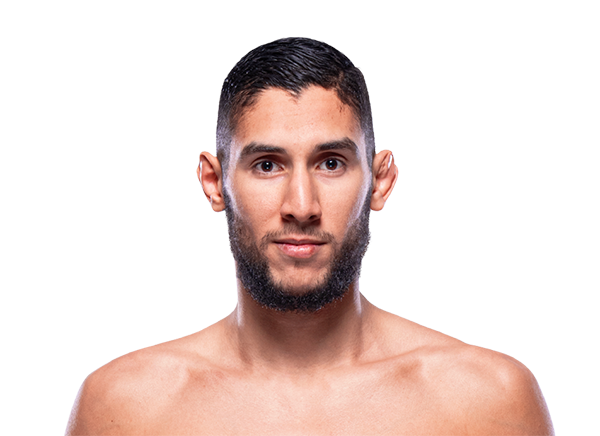
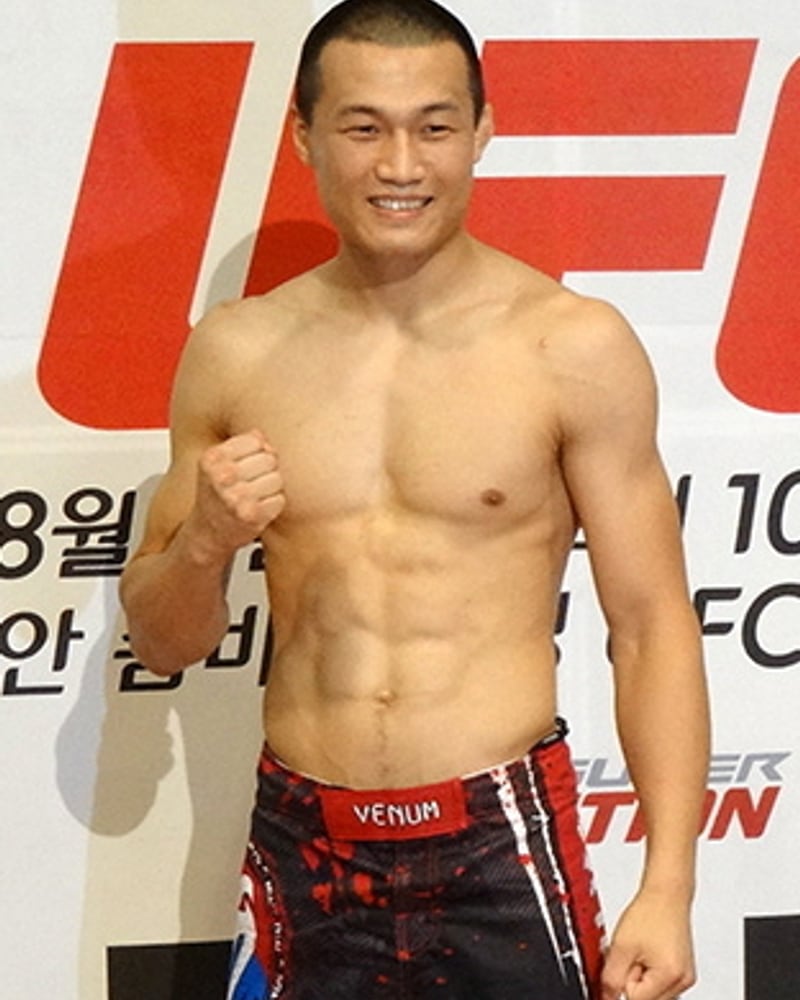
| Attribute | Ortega | Jung |
|---|---|---|
| Age | 29 | 33 |
| Height | 5′8″ | 5′7″ |
| Reach | 69″ | 72″ |
| Stance | Switch | Orthodox |
| Rank | #13 Featherweight | Unranked |
Highlighted rows mark a meaningful factual difference, not an advantage. Unpublished values stay unpublished.
Jung has 6 archived five-round fights to Ortega’s 2; championship rounds are familiar territory for one side.
Favors JungJung holds a 3-inch reach edge (72" to 69"); Ortega has to cross distance to land, and opposite stances open the lead-side lane.
Favors JungOrtega has finished 100% of archived wins (3 KO/TKO, 3 submission).
Favors OrtegaJung has 3 first-round finishes in the last 5 archived results — the opening minutes carry real finishing risk.
With the stored numbers close, the middle rounds come down to adjustments: who solves the opening read first, with strike defense at 49% and 52%.
Scheduled for five rounds: 25 minutes changes the pace math, and a fighter who banks two early rounds can afford to manage the fourth.