
- Home
- News
- Fight preview
- UFC 332 bettor’s guide: Five rounds, finishing rates and the range battles that matter
UFC 332 bettor’s guide: Five rounds, finishing rates and the range battles that matter
Natalia Silva vs. Wang Cong anchors an unpriced card read built around pace, reach, durability and finishing evidence—and the counter-cases that could change each matchup.

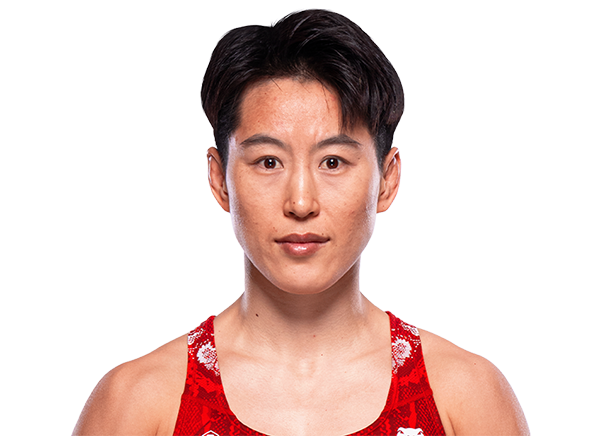
Natalia Silva and Wang Cong enter the UFC 332 main event without a material gap in the tape and archive. That makes the scheduled five-round format the central betting question: not who owns an obvious mismatch, but how an open matchup changes when it can run 25 minutes rather than 15.
Wang lands 6.22 significant strikes per minute to Silva’s 4.81, a 1.41 difference in output. Silva, meanwhile, is younger by 5 years, at 29 to Wang’s 34. Those facts direct attention toward fight-goes-distance, total-rounds, round and significant-strike markets, but they do not settle any of them.
That distinction applies across UFC 332 at the Delta Center in Salt Lake City on October 3, 2026. No verified odds snapshot or model price is stored for the card. What follows is therefore a map of the evidence the eventual market must account for—not a set of picks or a claim that value already exists.
Five rounds define Silva vs. Wang
The main event’s added runway gives pace and the finishing pattern more time to influence the result. It also makes confirmation of the scheduled distance essential. A move from five rounds to three would compress the total-rounds market and materially change the matchup framework.
Wang’s higher career striking rate is the clearest measurable separation, but career averages are snapshots at capture. They include fights outside this specific matchup and are not as-of figures. The data does not establish that Wang will reproduce the same pace against Silva, particularly over the longer scheduled distance.
The bettor’s read is therefore conditional. Watch whether the bout remains scheduled for five rounds, whether either fighter misses weight or the contest is rebooked at a catchweight, and—once a verified market exists—whether the fight-goes-distance line moves against the finish-rate read. Until then, the evidence identifies the markets to investigate without identifying a bet.
The complete matchup context is available in Five rounds change the betting equation for Natalia Silva vs. Wang Cong.
Gautier’s length meets Kopylov’s finishing history
Ateba Gautier owns the card’s largest listed reach difference among these highlighted matchups: 81 inches to Roman Kopylov’s 75. Gautier is also younger by 10 years, at 24 to Kopylov’s 34, and absorbs 2.6 significant strikes per minute compared with Kopylov’s 5.08.
That is meaningful range and defensive evidence, but it stops short of proving output control. The pairing lacks PropSports pace figures, so the 6-inch reach advantage cannot automatically be converted into a claim that Gautier will win exchanges or bank rounds.
The finishing records sharpen the method and distance questions. Gautier has finished 5 of 6 archived UFC wins, while Kopylov has finished 5 of 7. Those are strong finishing patterns on both sides, yet they remain histories of outcomes rather than guarantees about this opponent.
Moneyline, fight-goes-distance, method-of-victory, round and significant-strike markets are logically connected to the evidence. The counter-case is sample context: the career averages include other matchups and are not as-of figures. Fight-week confirmation of card position, scheduled rounds and weigh-in status could change the read before any price is considered.
Read the full breakdown at Ateba Gautier vs. Roman Kopylov: the 6-inch reach edge that frames the middleweight main card.
Pinas brings the finish threat; Pulyaev brings resistance
Damian Pinas has finished all 3 of his archived UFC wins. Andrey Pulyaev has been finished once in 5 archived bouts. That tension makes fight-goes-distance, method-of-victory and round markets the natural starting points, with significant strikes also relevant.
Pinas lands 6.33 significant strikes per minute to Pulyaev’s 3.6, a 2.73 advantage, and is younger by 5 years, at 24 to 29. In isolation, those figures support the case for Pinas’s offensive pressure.
Pulyaev’s defensive numbers complicate it. He absorbs 2.94 significant strikes per minute to Pinas’s 5.89, a 2.95 difference, and his striking defence is 55% to Pinas’s 39%. The matchup therefore contains both a clear Pinas finishing pattern and evidence that Pulyaev has been harder to hit and has absorbed less offense in the career snapshots.
That is precisely why the finish rate cannot be treated as a prediction. The archived sample is limited, and the averages include fights outside this context. The full evidence is collected in Damian Pinas's finishing rate is the number that matters against Andrey Pulyaev.
Walker and Parkin present competing forms of control
Johnny Walker has a 3-inch reach advantage over Mick Parkin, 82 inches to 79, and absorbs fewer significant strikes per minute, 2.99 to 4.13. Walker has also finished 7 of 9 archived UFC wins.
Parkin’s counter-case appears in two other categories. His striking defence is 58% to Walker’s 46%, and he averages 1.38 takedowns per 15 minutes to Walker’s 0.36. The 1.02 takedown difference gives Parkin a possible route to challenge a fight framed only around Walker’s length and finishing history.
The reach measurement remains a range advantage, not proof of output, because PropSports pace figures are unavailable for this pairing. Parkin will also have been out 560 days by fight night on the archive dates. That layoff is a major uncertainty the averages cannot price.
Fight-goes-distance, method, round and significant-strike markets connect to the available evidence, but none can be evaluated for value without a verified price. More matchup detail is available in Johnny Walker's finishing rate is the number that matters against Mick Parkin.
McGhee combines reach with recorded pace
Marcus McGhee’s measurable case differs from a reach-only argument. He holds a 69-inch to 66-inch reach advantage over Bernardo Sopaj and lands 5.44 significant strikes per minute to Sopaj’s 4.39. McGhee also absorbs fewer significant strikes per minute, 3.64 to 4.69.
Length accompanied by higher output is more relevant to potential round control than length alone. It directs attention toward the moneyline and significant-strike markets, while McGhee’s 3 finishes in 5 archived UFC wins also connects the matchup to fight-goes-distance and method-of-victory markets.
Sopaj is younger by 10 years, at 26 to McGhee’s 36. That does not erase McGhee’s reach or pace figures, but it belongs in the counter-case. As elsewhere on the card, the career averages are snapshots that include different opponents and are not as-of figures.
The matchup-specific analysis is in Marcus McGhee vs. Bernardo Sopaj: the reach and pace mismatch bettors should watch.
Bettor’s Edge: What the evidence changes—and what it cannot prove
The strongest UFC 332 reads are not interchangeable. Gautier has the clearest reach advantage, but no pairing-specific pace figures to show how consistently that length becomes output. Pinas has a perfect finishing record across his archived UFC wins, but Pulyaev’s absorption and defence figures supply a direct counter-case. Walker has length and a deep finishing pattern, while Parkin brings the higher takedown rate and a long layoff that the averages cannot resolve. McGhee is the highlighted fighter whose reach advantage is paired with higher recorded output.
None of that is value by itself. Current verified market prices and model output are unavailable. A stylistic or statistical advantage can still be fully reflected once a market appears, while an apparently close matchup can become more interesting only if the eventual price places too much weight on one side of the uncertainty.
Before betting, confirm weigh-in results, catchweight changes, card position and scheduled rounds. For the main event, verify that five rounds remain in place. Once prices exist, line movement against the finish-rate reads would be a reason to re-examine the assumptions rather than force a conclusion.
The practical bottom line is restraint: use these variables to decide where to investigate first, preserve every sample caveat, and wait for verified price before calling any matchup an edge.
More from the desk
Amanda Nunes’ scouting claim adds intrigue, not proof, against Kayla Harrison
Nunes says old sparring sessions exposed persistent flaws, but the UFC 334 matchup will turn on whether her proven takedown defence survives a 1,229-day layoff.
Lone’er Kavanagh’s variety meets Ramazan Temirov’s concentrated power at UFC 333
Temirov’s five knockdowns create the obvious danger, but Kavanagh’s reach, target diversity and deeper grappling record complicate every finish-based betting angle.